How to Maintain Color-Treated Hair
Color-treated hair is a beauty staple for many, offering the chance to explore new styles and shades. However, maintaining vibrancy and health requires special care. In this comprehensive guide, we’ll explore what color-treated hair is, the ingredients to avoid, and the necessary techniques to prevent damage. Additionally, we’ll dive into the benefits of specific products such as shampoos, conditioners, and heat protectants. Whether you’re new to hair color or a seasoned pro, this blog post provides essential insights to keep your locks looking their best.
What is color-treated hair?
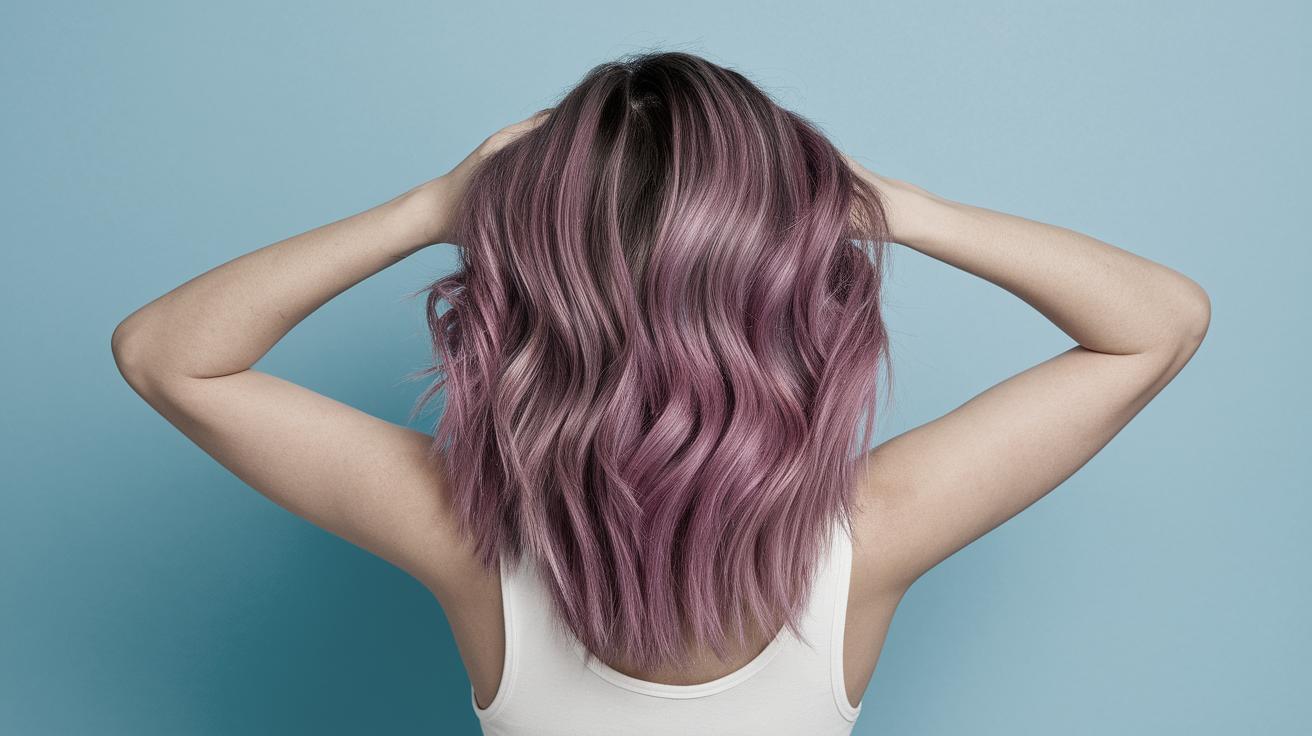
Color-treated hair refers to hair that has undergone a chemical process to change its natural color. This can range from permanent dyes to semi-permanent colors and highlights. The treatment affects the hair’s cuticle, altering its structure, which allows the pigment to settle in. While stunning results can be obtained, the integrity of hair might be compromised if not maintained properly.
It’s essential to note that color treatment can vary in intensity. Some procedures, like lightening or bleaching, involve removing natural pigments and can be more damaging. Others, like semi-permanent colors, sit on the surface and are less invasive. Understanding the type of color treatment you have is the first step in ensuring that your hair remains healthy and vibrant.
What ingredients should you avoid if you have color-treated hair?
Maintaining color-treated hair begins with understanding ingredients that could potentially strip your color. Sulfates, found in many shampoos, are surfactants that create lather but can be too harsh for color-treated hair. They may accelerate fading and are best replaced with sulfate-free alternatives.
Alcohols can be drying agents that further compromise your hair’s moisture. Short-chain alcohols, like isopropanol, should specifically be avoided because they dry out the hair quickly and may lead to brittleness. Instead, opt for products that contain natural oils and fatty alcohols, which can nourish and hydrate the hair much more effectively.
How do you prevent damage and dullness in color-treated hair?
Prevention of damage and dullness in color-treated hair starts with strong moisture retention practices. Hydration is key, so using a deeply moisturizing conditioner can help lock in some color vibrancy. Also, limiting the frequency of washes can preserve the color longer and mitigate the stripping of natural oils.
Regular trims are critical in maintaining healthy ends and minimizing the appearance of dull, stripped ends. UV protection can also play a significant role. Utilizing hair products that contain UV filters can help shield hair from the sun’s rays, which can further processing damage and fading.
Shampoos
Choosing the right shampoo for color-treated hair is crucial. Look for sulfate-free shampoos with additional moisturizing ingredients that help cleanse the hair gently while preserving color. A pH-balanced shampoo will further ensure that the hair cuticle remains sealed, maintaining vibrancy and shine.
Another tip is to wash your hair with cooler water as hot water opens the hair cuticles, leading to quicker color fading. When possible, extend the time between washes by using dry shampoo to absorb oil without stripping essential moisture or color.
Conditioners & Masks
Conditioners and masks are indispensable for color-treated hair. After washing, using a conditioner specifically designed for colored hair can help restore any lost moisture and enhance the hair’s smooth texture. Conditioners with added proteins can repair the keratin structure, ultimately strengthening color-treated hair.
Hair masks should be used weekly or bi-weekly to provide deep conditioning. They penetrate the hair shaft more effectively than daily conditioners and can add a much-needed moisture boost. Look for masks enriched with ingredients like shea butter and aloe vera that provide nourishment without weighing hair down.
Leave-In Treatments
Leave-in treatments are beneficial as they continuously nurture and protect hair throughout the day. These treatments can serve as a moisture sealant and reduce friction when styling or brushing, thus preventing breakage. Choose products with additional UV protection to shield hair from sun damage.
Furthermore, leave-ins can detangle and fortify hair, adding layers of protection as you style. Look for those that are lightweight and non-greasy, ensuring they don’t clog your scalp or leave hair looking limp.
Stylers
Styling color-treated hair requires carefully selected products that support and hold styles without causing harm. Opt for alcohol-free gels and mousses that provide lift and texture while maintaining hydration. You might choose creams that offer pliable hold and humidity resistance to prevent frizz.
Also, consider heatless styling methods such as braids or twists to reduce the reliance on hot tools. These gentle styles can be effective in setting hair without incurring additional damage.
Heat Protectants
Incorporating heat protectants into your haircare routine is fundamental. Before using hairdryers, curling irons, or straighteners, a good heat-protectant spray can safeguard hair from intense heat exposure, which often leads to cuticle damage and, subsequently, color fade.
Heat protectants create a barrier, ensuring the hair retains critical moisture and sustains less heat-related harm. Applying a small amount evenly on damp hair before styling can greatly extend the life and vibrancy of your color-treated hair.
Hair Oils
Hair oils are essential for adding shine and combating dryness in color-treated hair. Lightweight oils such as argan and jojoba can enhance sheen without making hair greasy. They work by sealing moisture, smoothing the cuticle, and reducing split ends.
Applying a few drops of oil post-styling helps maintain a polished look while protecting against environmental stressors. Use oils sparingly, starting from the ends and moving towards the mid-lengths, while avoiding the roots unless specifically needed for scalp balance.
Summary of Main Points
| Aspect | Recommendation |
|---|---|
| Ingredients to Avoid | Sulfates, short-chain alcohols |
| Prevention Techniques | Moisturizing, limiting washes, using UV protection |
| Shampoos | Sulfate-free, pH-balanced, use cool water |
| Conditioners & Masks | Restorative, use rich masks weekly |
| Leave-In Treatments | UV protection, moisture sealant |
| Stylers | Alcohol-free, use heatless methods |
| Heat Protectants | Use before styling with heat |
| Hair Oils | Lightweight, apply to ends and mid-lengths |