The Benefits of Clay Masks
Clay masks have been cherished as a natural beauty remedy across cultures and centuries, celebrated for their transformative effects on the skin. These masks aren’t just your average skincare products. They pack a variety of benefits, from detoxifying the skin and reducing oiliness to offering relief for chronic skin conditions. Whether you’re tackling acne, seeking to unclog pores, or simply indulging your skin, clay masks can be a versatile addition to your beauty routine. Let’s delve into the unique benefits of different types of clay masks, explore their applications for specific conditions, and consider how they can enhance not just skin but even hair health. Plus, we’ll equip you with handy usage tips and cautionary advice to maximize your clay mask experience.
Bentonite Clay Mask Benefits
Bentonite clay is revered for its intense detoxifying properties, making it a popular choice in face masks. Composed predominantly of aged volcanic ash, bentonite clay is capable of producing an electric charge when hydrated, allowing it to absorb and remove toxins, impurities, and chemicals from the skin. This is why it is often referred to as a healing clay.
Regular use of bentonite clay masks can help tighten and rejuvenate skin by removing dead skin cells and minimizing the appearance of large pores. Its natural minerals go a long way in nourishing and activating skin repair, making it an essential component of holistic skincare routines for users aiming to achieve a clear and youthful appearance.
Possible Benefits of Using a Clay Mask for Acne
Clay masks have shown great promise in the field of acne treatment. Acne is often the result of excess sebum production and bacteria accumulation, causing inflammation and skin irritation. The absorbing power of clay helps pull these excess oils from the skin, effectively managing and mitigating acne flare-ups. It offers a natural alternative to chemical treatments which, although effective, can have side effects.
Moreover, clay masks also exhibit mild antiseptic properties, reducing not only current acne lesions but helping in the prevention of future outbreaks. By fostering a thoroughly clean and toxin-free environment, the skin is less prone to acne, encouraging smoother and clearer complexion over time.
Clay Mask to Unclog Pores and Treat Oily Skin
An inherent ability of clay masks is their unique capability to unclog pores. Oily skin often leads to clogged pores as sebum combines with dirt and dead skin cells. Applying a clay mask helps to draw out sebum, dirt, and any other impurities lodged in pores, paving the way for clearer skin that breathes efficiently.
By consistently reducing the sheen and greasiness typical of oily skin, clay masks restore a balanced pH without over-drying. This balance prevents the normally counterproductive cycle of producing excess oil in response to previous moisture-stripping treatments, making clay masks a timely ally in maintaining skin’s natural equilibrium.
Treating Dermatitis, Psoriasis, Eczema, and Rosacea
For individuals struggling with chronic skin conditions like dermatitis, psoriasis, eczema, and rosacea, clay masks offer symptomatic relief. These conditions are often characterized by inflammation, itchiness, and redness that can be visibly reduced through the consistent application of clay masks. The soothing properties of clay help to calm irritated skin and restore moisture to the affected areas.
Furthermore, clay masks support skin protection and barrier function improvement, which is essential for managing flare-ups associated with these conditions. They offer a gentle, non-invasive treatment option that can be integrated with prescribed medical therapies for enhanced skin comfort and health.
Clay Mask for Dry Skin
While often associated with drawing out excess oils, clay masks can also be a great asset for dry skin. They work by gently exfoliating the skin, helping to remove parched, flaky skin, and promoting the regeneration of healthy skin cells. Specific clay masks, like pink clay, are designed to hydrate and soothe, providing essential minerals that foster a soft and supple complexion.
Applying a clay mask correctly, with an appropriate base of nourishment, ensures that dry skin receives adequate hydration without the harsh stripping synonymous with other skincare products. It’s an excellent way to revive dry skin, adding to its elasticity and providing a natural glow.
Clay Mask for Toxins
In an environment laden with pollution and daily exposure to harmful substances, the accumulation of toxins in the skin is inevitable. Clay masks act as an effective detox tool, purging these harmful elements out of the skin and restoring its health. The minerals in clay, particularly in water-activated forms like bentonite and kaolin, pull toxins out through adsorption, leaving the skin refreshed and invigorated.
By taking out impurities, clay masks renew your skin’s ability to function optimally, enabling it to regenerate and repair itself naturally. This detoxification process can lead to visibly brighter and more refreshed skin, countering the effects of environmental stressors.
Benefits of Using a Clay Mask for Hair
Beyond skincare, clay masks have beneficial applications for hair health too. They can play a significant role in deep cleansing the scalp, removing product build-up and excess oil that often weigh hair down and prevent proper growth. For those battling dandruff, clay masks provide relief by soothing and tending to the scalp, reducing flaking and irritation.
Clay masks for hair can lead to improved manageability, volume, and shine by naturally cleansing and nourishing the scalp and hair strands. The result is healthier hair that looks and feels vibrant, highlighting the multi-functional appeal of clay masks beyond conventional facial skincare.
Potential Side Effects and Precautions of Using a Clay Mask
Although clay masks are generally safe for most skin and hair types, potential side effects may arise if used incorrectly or on particularly sensitive skin. Some users may experience temporary redness or irritation due to the mask’s astringent properties. Patch testing a small area is advisable for individuals with known sensitivities or allergies to clays.
It’s crucial to choose the right type of clay for your skin type to avoid adverse reactions. Guidance from a skincare professional can optimize results and minimize risks, ensuring the use of clay masks remains a beneficial and enjoyable component of your routine.
How to Use a Clay Mask
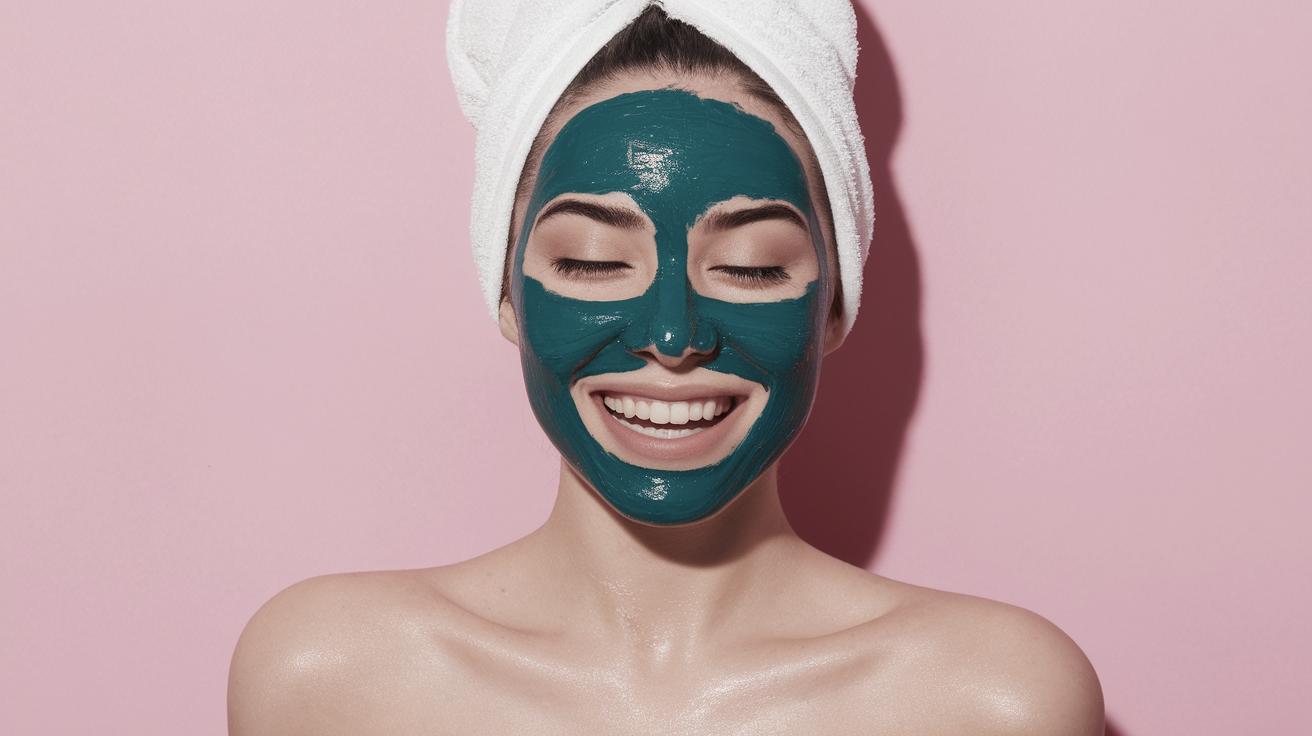
To maximize the effectiveness of a clay mask, apply it to clean, damp skin and allow it to sit until it begins to dry but is not completely hardened, which takes about 10-15 minutes for most formulas. Rinse thoroughly with lukewarm water and follow with a moisturizer to seal in hydration.
Frequency of use depends on individual skin types, with oily skin benefiting from 2-3 times a week applications, whereas dry or sensitive skin may need only once a week. Following these steps can ensure optimal outcomes while minimizing the risk of overuse or irritation.
Where to Buy a Clay Mask
Clay masks can be purchased at various beauty stores, pharmacies, and online platforms, such as Sephora, Ulta, and Amazon. These outlets typically offer a wide selection from different brands, catering to varying skin types and concerns. Reading product reviews and checking ingredient lists can aid in making informed choices.
It can also be worthwhile exploring local health stores, which might carry natural and organic options. Purchasing from reputable brands ensures quality and the efficacy of clay masks, enriching your skin care routine.
Takeaway
With a wide array of benefits, clay masks stand as a versatile ally in personal care, offering detoxification, treatment for various skin conditions, and even benefits to hair health. They are a testament to the power of natural ingredients in skincare and hold a firm place in the beauty arsenals of those seeking wholesome and effective solutions.
| Benefit | Description |
|---|---|
| Bentonite Clay Benefits | Detoxifies, tightens, and rejuvenates skin. |
| Acne Treatment | Reduces oil, bacteria; prevents flare-ups. |
| Unclogs Pores, Oily Skin | Removes impurities, balances oil production. |
| Treats Skin Conditions | Provides relief for dermatitis and rosacea, among others. |
| Dry Skin Hydration | Exfoliates and moisturizes without stripping. |
| Detoxification | Removes environmental toxins effectively. |
| Hair Health | Cleanses scalp, reduces dandruff, enhances shine. |
| Precautions | Potential irritation for sensitive skin; patch testing advised. |