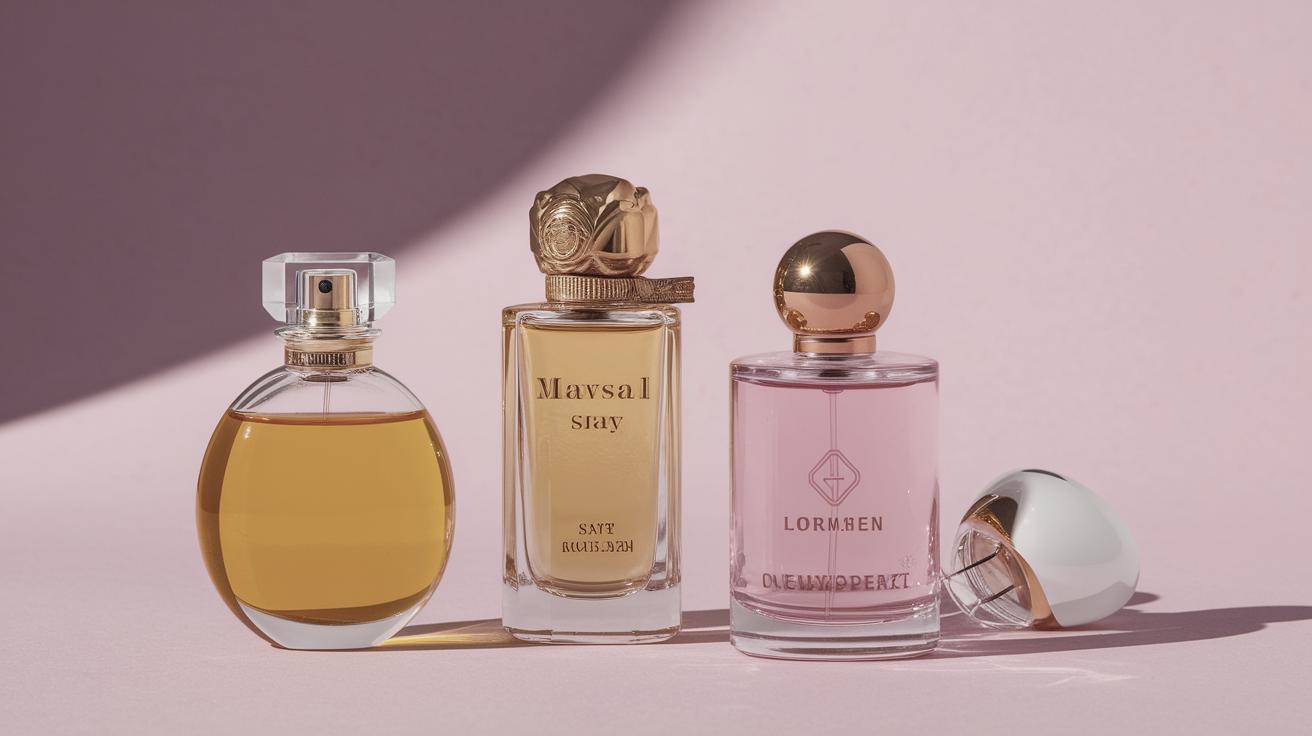
Welcome to the aromatic world of perfume layering, a refined art that allows individuals to express their unique personality through personalized scent combinations. In this article, we’ll delve into the essentials of perfume layering, exploring what it is and why it’s a practice worth mastering. We’ll also provide practical tips on how to effectively combine fragrances, highlight scents that complement each other beautifully, and point out those that might clash if layered together. Additionally, you’ll discover techniques to make your layered scents last longer, ensuring you enjoy your custom creations throughout the day. Whether you’re a seasoned perfumer or new to fragrance blending, this guide will help hone your skills and elevate your scent game.
What Is Perfume Layering?
Perfume layering is the delicate art of combining multiple scents to create a unique fragrance profile that resonates with your personal taste and style. This method allows for an endless array of possibilities, offering an opportunity to step away from single-note fragrances and explore a more personalized olfactory journey. Originating from the Middle East, this practice has become increasingly popular in Western cultures as individuals seek more personalized fragrance experiences.
Through layering, you can enhance the complexity and depth of a fragrance, mixing top, middle, and base notes to craft a sophisticated scent that is greater than the sum of its parts. Whether it involves combining different perfumes or incorporating scented lotions and oils, the ultimate goal is to create a harmonious balance that complements and enhances the individual components.
Benefits of Perfume Layering
The primary benefit of perfume layering is the ability to create a signature scent that no one else has. This personal concoction can become your olfactory calling card, memorable and unique to you. Additionally, by experimenting with layering, you get to explore the vast universe of scents beyond your all-time favorite fragrance, discovering new notes and combinations that might surprise you.
Layering fragrances can also enhance performance and longevity. By pairing a more potent base with lighter top notes, the overall fragrance becomes richer and more long-lasting. This strategy can be particularly beneficial for those who struggle with scents that fade quickly. Moreover, layering provides an opportunity to adjust the intensity of your fragrance to suit different occasions by either ramping up the potency or selecting a subtler blend.
How to Properly Layer Scents
To master the art of perfume layering, start with a clean canvas—your skin. Make sure it’s well-moisturized as hydrated skin retains scents longer. Begin the layering process with a base fragrance, usually something heavier, like a woody or musky scent, which serves as the foundation. Follow it with a middle layer fragrance that often contains floral or fruity notes. Finish with a lighter top fragrance that might include citrus or fresh notes.
Layer gradually and experiment in small doses to ensure the fragrances blend well without overpowering. Apply each scent to different pulse points and allow them to dry before applying the next. This method ensures that each layer melds harmoniously and the resulting blend is an ensemble that speaks to your taste. Remember, the beauty of layering lies in its flexibility, so don’t hesitate to test different combinations to see what resonates with your senses.
What Scents Go Well Together?
Certain scent families are naturally harmonious and complement each other beautifully. For instance, floral scents often pair well with citrus, creating a fresh and lively profile. Woody fragrances blend seamlessly with spicy or oriental notes, providing a depth and warmth that is hard to resist.
Gourmand fragrances, which are characterized by sweet and edible smells like vanilla and caramel, can be paired with fruity or floral notes to add a deliciously enticing edge. Experimenting with these combinations is crucial, as the right blend will create a fragrance that is well-rounded and balanced, offering sophistication and intrigue in equal measure.
Scents to Avoid Layering
While experimentation is encouraged, some scent combinations might clash and should be avoided. Heavy, overpowering fragrances can overwhelm lighter scents, losing their subtlety and complicating the blend. For instance, combining strong amber with delicate citrus might result in an unpleasant juxtaposition that lacks harmony.
Similarly, overly sweet or gourmand scents can clash when layered with very spicy or earthy notes, causing dissonance. The key is to identify which notes in a fragrance are dominant and ensure they don’t clash with the dominant notes in another. Aim for balance and subtlety, allowing each fragrance layer to shine without overshadowing the other.
Making Layered Scent Last
It’s all about technique.
To maximize the longevity of a layered scent, the application technique is critical. Begin with a fragrance-free lotion to create a base that helps lock in the scent. Applying the fragrance in layers to pulse points, where the body produces natural heat, enhances diffusion and ensures the fragrance remains with you throughout the day.
Consider the environment and adjust your application if necessary. Colder climates may require more robust application methods, while warmer environments emphasize minimal application to prevent overpowering those around you. Always store your fragrances properly, avoiding heat, light, and air exposure to maintain their potency and composition.
Lessons Learned
| Aspect | Key Points |
|---|---|
| Perfume Layering | The art of combining multiple fragrances to create a unique scent profile. |
| Benefits | Offers a unique, personal fragrance; enhances scent longevity; provides flexibility in scent intensity. |
| Proper Layering | Start with a clean, moisturized canvas and apply from base to top notes. |
| Complementary Scents | Floral with citrus, woody with spicy, gourmand with fruity notes. |
| Scents to Avoid | Avoid overpowering scents and clashing dominant notes. |
| Longevity Techniques | Use fragrance-free lotion, apply to pulse points, and consider environmental factors. |