Mastering the Art of Applying Blush
Blush is a powerful makeup tool that can instantly refresh your complexion and add a healthy, radiant glow to your face. Whether you’re going for a natural, barely-there look or a bold, dramatic statement, applying blush correctly can enhance your features and elevate your overall makeup look. In this blog post, we’ll delve into everything you need to know about applying blush, from choosing the right shade for your skin tone to mastering the perfect application technique for your face shape. We’ll also explore different types of blush formulas and brushes, offering tips and tricks to help you achieve a flawless finish. By the end of this guide, you’ll be equipped with the knowledge to confidently apply blush and enhance your natural beauty.
Choosing the Right Blush Shade
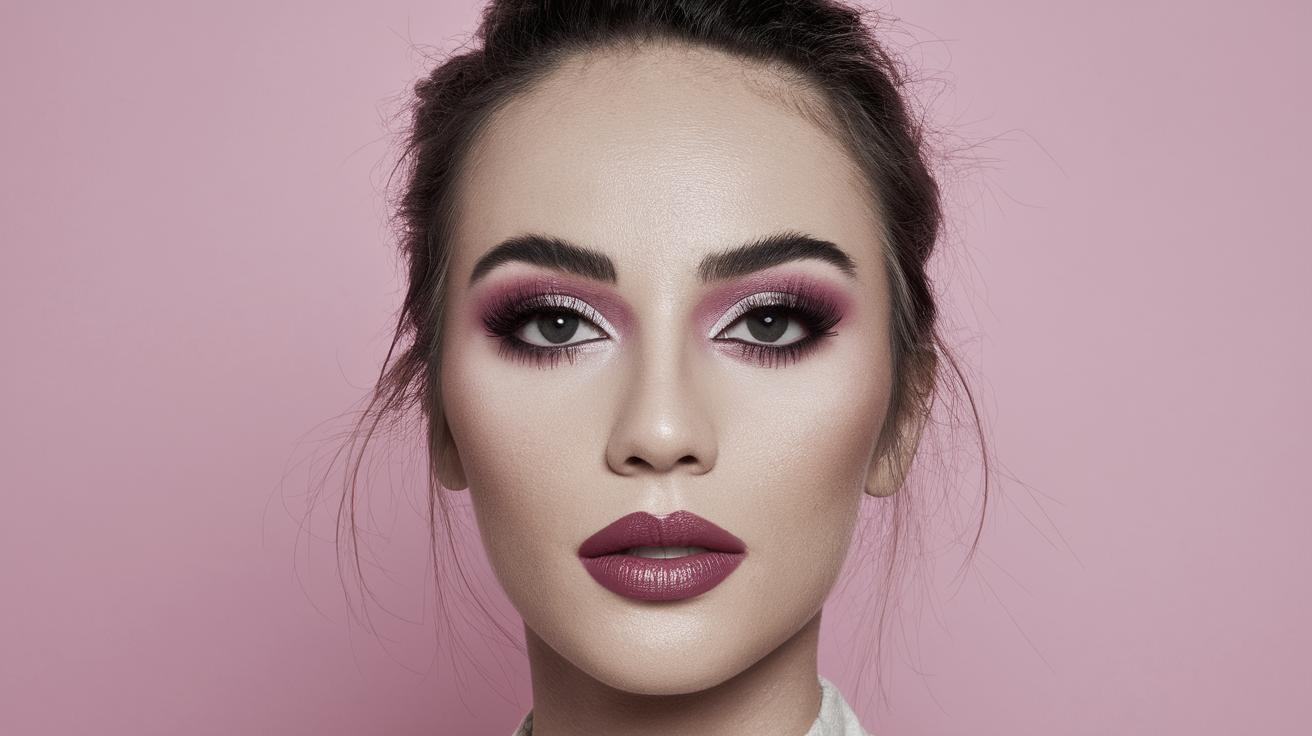
Selecting the right blush shade is crucial to achieving a natural and flattering look. The key is to match the blush to your skin tone. For fair skin, soft pinks and peaches work best, as they add a subtle flush without overpowering your complexion. If you have medium skin, opt for deeper pinks or warm apricots that complement the natural undertones of your face. Darker skin tones benefit from rich, bright shades such as fuchsia, tangerine, or deep berry, which bring out a vibrant glow.
Understanding your undertones can further refine your choice. Those with warm undertones should lean towards coral or peachy blushes, while cool undertones are complemented by rose or plum shades. Try swatching several options on your wrist to see how they blend with your skin’s undertones before making a decision. Remember, the goal is for the blush to emulate the natural flush of your skin when you’re blushing naturally.
Selecting the Perfect Blush Formula
The formula of your blush can significantly impact the finish and longevity of the color on your cheeks. Powder blushes are highly popular, especially for those with oily skin, as they provide a matte finish that can help control shine. They’re also easy to build up and blend, making them a beginner-friendly option. Meanwhile, cream blushes are ideal for dry or aging skin. Their creamy texture adds hydration and creates a dewy finish that gives the cheeks a healthy glow.
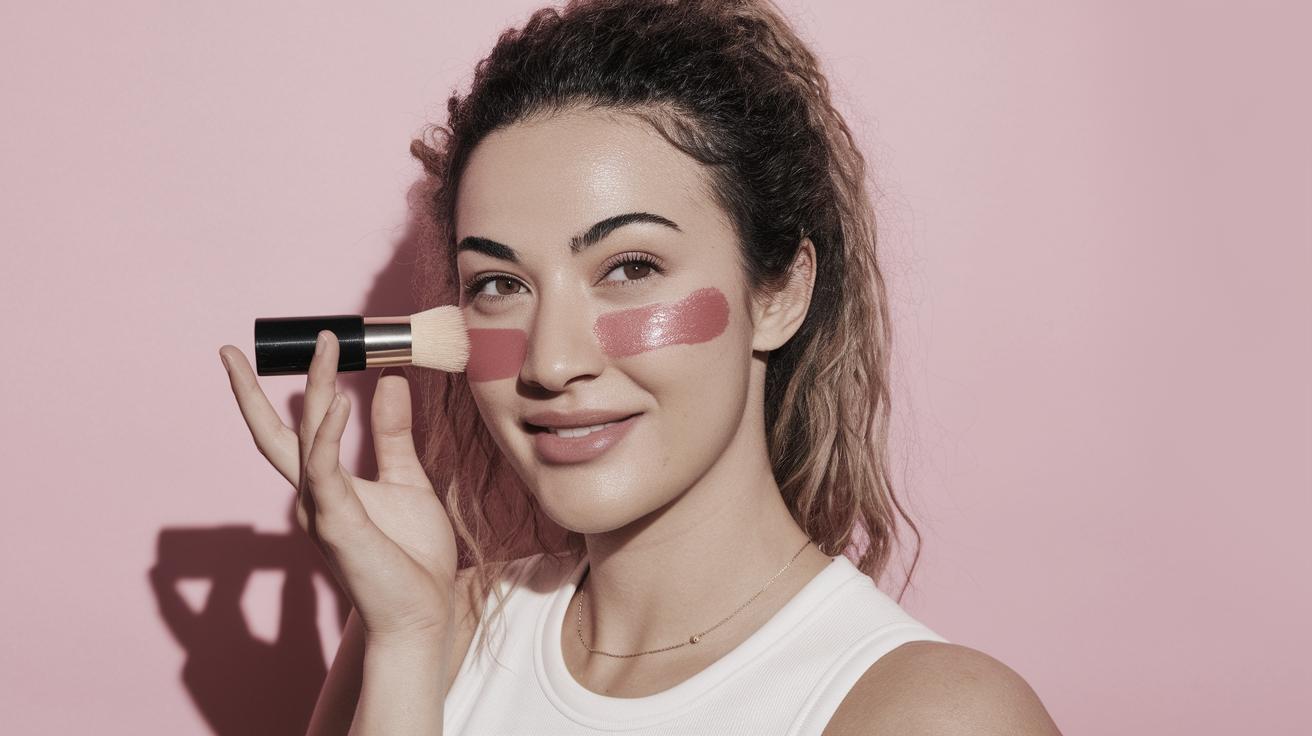
Gel or liquid blushes offer a more sheer and natural look, perfect for achieving a subtle flush. These formulas are great for normal to oily skin types, as they provide a lightweight finish that lasts throughout the day. Tints, a hybrid of creams and gels, offer vibrant and long-wearing color. They are typically more difficult to blend but can be perfect for a more dramatic look. Understanding the needs of your skin type will help you select the most suitable blush formula for your everyday makeup routine.
Mastering Blush Application Techniques
The art of applying blush isn’t just about the product you choose; it’s also about the technique you use. For a natural look, smile and apply blush to the apples of your cheeks, blending it upwards towards your temples. This technique mimics a natural flush and works well for most face shapes, providing a youthful and healthy appearance. If you’re looking to add shape to your face, consider contouring with your blush by sweeping it slightly beneath your cheekbones for a subtle definition.
For longer faces, focus on applying blush horizontally across your cheeks to create the illusion of width. Conversely, for round faces, emphasize application along the cheekbones and sweep upwards to add length. Remember to blend well because seamless blending is crucial to avoiding harsh lines and achieving a cohesive appearance. The right tools, such as fluffy brushes for powders or stippling brushes for creams, can make a significant difference in your application technique.
Tools and Brushes for Blush Application
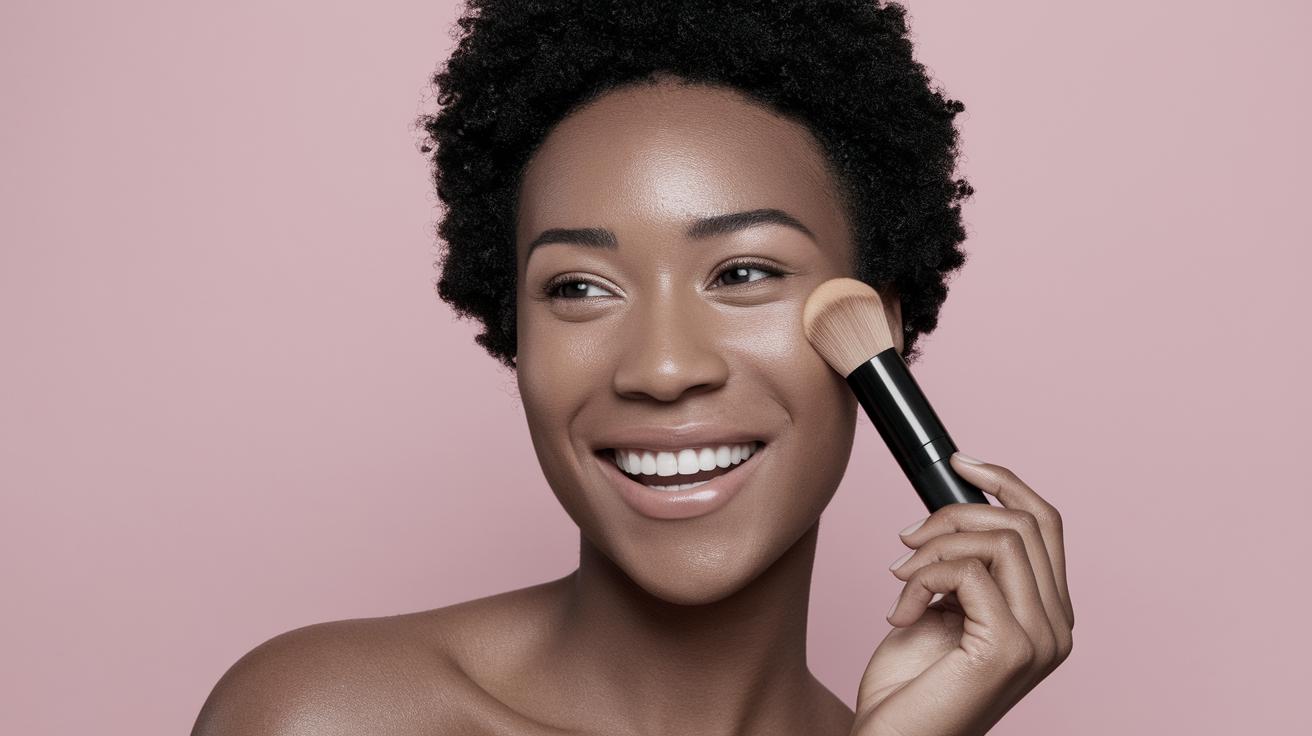
Choosing the right tools can make all the difference when applying blush. For powder blushes, a medium-sized, fluffy brush is ideal as it picks up the perfect amount of product and allows for smooth blending. Angled brushes are also excellent for applying blush with precision and can double as contour brushes. For cream and liquid formulas, a stippling brush or a damp makeup sponge is perfect for achieving an even, airbrushed effect.
Gel blushes often work best when applied with fingers, as the warmth helps to melt the product into the skin for a seamless finish. Don’t underestimate the power of using your fingers to build color gradually and allow for maximum control. Moreover, cleaning your tools regularly is essential to prevent the buildup of bacteria and ensure your makeup applies smoothly. Invest in quality brushes and tools, as they will last longer and provide better application results over time.
Common Blush Mistakes and How to Avoid Them
One of the most common blush mistakes is applying too much product, resulting in a clownish appearance. To avoid this, start with a light hand and gradually build up the intensity until you achieve your desired look. Remember, it’s easier to add more blush than to take it away. Another mistake is not blending properly, which can leave harsh lines on your cheeks. Always make sure to blend your blush into the skin for a natural finish.
Choosing the wrong shade is another common pitfall. Ensure that you select a shade that complements your undertone and skin tone. Using the wrong tools can also affect your application, so invest in brushes that suit your chosen blush formula. Finally, don’t forget to step back from the mirror after application to make sure both cheeks are evenly balanced and the overall look is cohesive with your entire makeup.
Next Steps
| Topic | Summary |
|---|---|
| Choosing the Right Blush Shade | Consider your skin tone and undertones; for example, fair skin suits soft pinks, while darker skin benefits from bright shades. |
| Selecting the Perfect Blush Formula | Match the formula to your skin type; powders for oily skin, creams for dry skin, and gels for a natural look. |
| Mastering Blush Application Techniques | Adapt your technique to your face shape and desired effect; use suitable tools for blending. |
| Tools and Brushes for Blush Application | Choose the right brush or tool for the formula you are using; clean tools regularly for effective application. |
| Common Blush Mistakes and How to Avoid Them | Avoid applying too much, not blending well, selecting wrong shades, and using improper tools. |