Why is My Face Pilling? Understanding and Overcoming Skincare Pilling
If you’ve ever experienced the frustration of rubbing your face only to find little balls of product forming, you’re not alone. Skincare pilling is a common beauty conundrum that can undermine the effectiveness of even the most thoughtfully curated skincare routine. This blog post delves into the intricacies of skincare pilling, helping you understand what it is, why it happens, and most importantly, how to prevent it. We’ll explore the nuances of product interactions and application techniques, and provide concrete strategies for maintaining an effective and pill-free skincare regimen. Join us on this journey as we navigate potential pitfalls and offer solutions to ensure you get the most out of your skincare products.
What is skincare pilling, exactly?
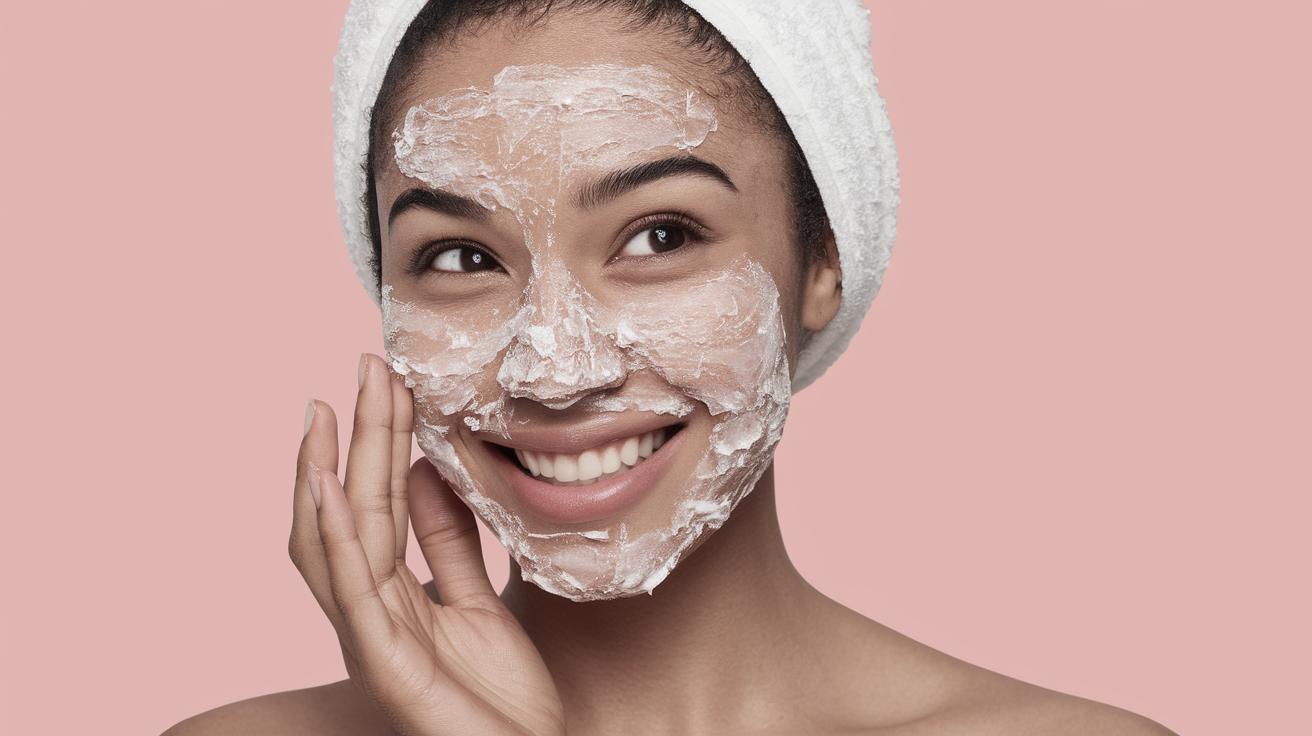
Skincare pilling occurs when the products applied to the skin do not fully absorb, resulting in a visible residue that rolls off the skin’s surface in small, bead-like formations. This happens when skincare products, often those that contain silicones, polymers, or oils, do not penetrate deeply into the skin. Instead, they sit on top of it and when disturbed by additional products or movement, they form little “pills.”
Pilling is often mistakenly associated with exfoliation or peeling, but it is a distinctly different phenomenon. While peeling represents the shedding of skin layers, pilling involves the clustering of product residues. This issue can be particularly bothersome, not only due to its aesthetic inconvenience but also because it may imply that the skincare actives are not being absorbed efficiently.
Why is my skincare pilling?
There are several reasons why your skincare might be pilling. The most common cause is the application of incompatible products that do not blend or absorb well together. This can happen when products have conflicting bases such as oil and water or when multiple silicone-based products are layered.
Another contributing factor is applying too much product at once. When your skin is overwhelmed by too much product, it isn’t able to absorb it all efficiently, leading to excess product sitting on the surface and eventually pilling. Similarly, applying products in the wrong order can also result in pilling, as the formulation needs time to penetrate the skin appropriately.
How to stop skincare pilling
To prevent skincare pilling, start with understanding the compatibility of your products. Opt for formulations that complement each other; for instance, pair water-based serums with similar moisturizers. This will help in creating a synergy that enhances absorption and reduces residue formation.
Ensuring that you apply products in the correct sequence can also help. Typically, the rule of thumb is to start with the thinnest consistency and progress to the thickest. Allowing adequate wait time between the layering of products is crucial too, as this ensures each product is absorbed before applying the next.
Does pilling decrease the effectiveness of my skincare?
Yes, skincare pilling can significantly diminish the efficacy of your skincare regimen. When products pill, it indicates they have not penetrated the skin; therefore, the active ingredients that provide benefits, such as hydration, anti-aging, or brightening effects, may not work as intended.
Understanding this can change how you approach your skincare routine. It underscores the importance of layering correctly and selecting compatible products. The key is to make sure that your products aren’t merely sitting on the skin’s surface but are being absorbed and working at a deeper level.
De-pilling your skincare routine
L’Oréal Paris Revitalift Derm Intensives Vitamin C Serum
L’Oréal’s Vitamin C Serum is renowned for its lightweight formulation, which minimizes the risk of pilling. It absorbs swiftly, delivering a brightening effect that works well with other layers of skincare without disruption. Its compatibility with various bases makes it an excellent starting point for those combating pilling.
Mario Badescu Peptide Renewal Serum
The Peptide Renewal Serum from Mario Badescu is another product noted for its smooth application. It avoids pilling due to its harmonious formula that mixes peptides and botanical extracts, ensuring deep penetration and synergy with other skincare elements, suitable for evening priming.
La Roche-Posay Anthelios 60 Clear Skin Dry Touch Sunscreen
Sunscreen is non-negotiable for daily skincare, and La Roche-Posay’s Anthelios 60 stands out with its dry touch formula that resists pilling. It provides a matte finish, doubling as a base that blends well over serums, ensuring sun protection without compromising the other products in your routine.
Peeling vs Pilling
It’s crucial not to conflate pilling with peeling. While both terms concern skin texture, peeling involves the removal of dead skin cells or layers due to chemical exfoliants, whereas pilling is strictly about product behavior on the skin’s surface without aiding actual exfoliation or renewal processes.
Misunderstanding these terms can lead to errors in product choices. Remember, pilling is what you want to avoid. Choose formulations that suit your skin type and concerns, keeping a keen eye on ingredient compatibility and texture.
Buy complementary products
Invest in products designed to work together. Many skincare brands offer lines where products are formulated to be layered effectively, reducing the chance of pilling dramatically. Sticking to a single line can guarantee component compatibility and cohesion across your routine.
Avoid bloated routines
Less is truly more when it comes to avoiding pilling. A streamlined skincare routine can decrease the likelihood of product interaction issues and ensure that each layer has time to be absorbed. Aim to simplify your routine by focusing on key products and their specific benefits.
Apply thin layers
One simple yet highly effective way to avoid pilling is by applying products in thin, even layers. This ensures quicker absorption and reduces the amount of product sitting on the skin’s surface. Begin with a small pea-sized amount and add only if needed.
Consistency is vital—spreading the product evenly across the skin can help it sink in better, preventing clumping or rolling that often results in pilling. Remember, frequent smaller doses of product can be more beneficial than a single heavy application.
Layering and wait times
Allowing adequate time between layers is crucial. Apply your moisturizer only after your serum has fully absorbed; this usually means waiting around 2-5 minutes, depending on the product’s density. Hasty applications can lead to product overload and, eventually, pilling.
Understanding your unique skin type can also play into how you layer products. Some skin types absorb products faster, requiring shorter wait times, whereas others may need those additional couple of minutes for full absorption and full effectiveness.
Trial and error
Ultimately, finding a pill-free skincare approach is often a game of trial and error. Not all skins respond the same way to products, and what works for one person may not work for another. Individual testing of products with variations in application order and amounts can help identify the best combination for your skin.
Documenting your attempts in a skincare journal can aid in keeping track of what works. This may sound laborious, but noting down what specific combinations worked and didn’t can save you time and resources in the long run.
Future Prospects
| Aspect | Summary |
|---|---|
| Definition | Skincare pilling describes residue balls forming on the skin due to product incompatibility or application errors. |
| Causes | Overlapping incompatible products, application oversaturation, or incorrect layering techniques. |
| Prevention | Select compatible products, apply in recommended order with suitable wait times between layers, and use light, even coats. |
| Product Suggestions | Use products like L’Oréal’s Vitamin C Serum, Mario Badescu Peptide Serum, and La Roche-Posay Sunscreen for better absorption and less pilling. |
| Practical Tips | Opt for tailored skincare lines, avoid overly complex routines, and learn from personal trials to perfect your approach. |