Mastering the Art of Exfoliation in Your Skincare Routine
Exfoliation is a crucial yet often misunderstood step in skincare routines worldwide. This blog post delves into the intricacies of exfoliation, debunking myths and unraveling truths about this essential practice. We will explore various reasons why exfoliation should be part of your regimen, examine whether scrubs are truly harmful, and detail the differences between AHAs and BHAs. Furthermore, we’ll address whether it is safe to combine these powerful exfoliants, identify their optimal usage percentages, and evaluate how your skin feels post-exfoliation. Additionally, this guide provides valuable tips on integrating chemical exfoliants into your routine and discusses the safety of using these products around the eyes. Lastly, we will explore the compatibility of combining exfoliants with other potent skincare ingredients. By the end of this post, you’ll be equipped with the knowledge to maximize the benefits of exfoliation, enhancing the overall effectiveness of your skincare regime.
Exfoliation facts revealed, myths busted
Exfoliation is often shrouded in mystery, with numerous myths clouding its benefits and methods. One common misconception is that exfoliation should be done daily. In truth, over-exfoliating can lead to issues like irritation, sensitivity, and compromised skin barriers. It is generally recommended to exfoliate 2-3 times per week, depending on your skin type and the strength of the exfoliant.
Another myth busted is the idea that all exfoliants are created equal. Physical and chemical exfoliants serve different purposes and function through varied mechanisms. While physical exfoliants involve scrubbing particles that mechanically remove dead skin cells, chemical exfoliants utilize acids or enzymes to dissolve debris. The choice between them should be informed by your skin’s specific needs.
Why should you exfoliate?
Exfoliation is pivotal in removing dead skin cells that accumulate on the surface, which can clog pores and lead to a dull complexion. By eliminating this barrier of dead cells, exfoliation allows more effective penetration of other skincare products, enhancing their efficacy.
Moreover, regular exfoliation contributes to increased cell turnover, promoting the growth of fresh, healthy skin cells. This can result in a more glowing and youthful appearance. Additionally, it can help with uneven skin tone and texture, providing a smoother, more even canvas.
So scrubs are bad for your skin?
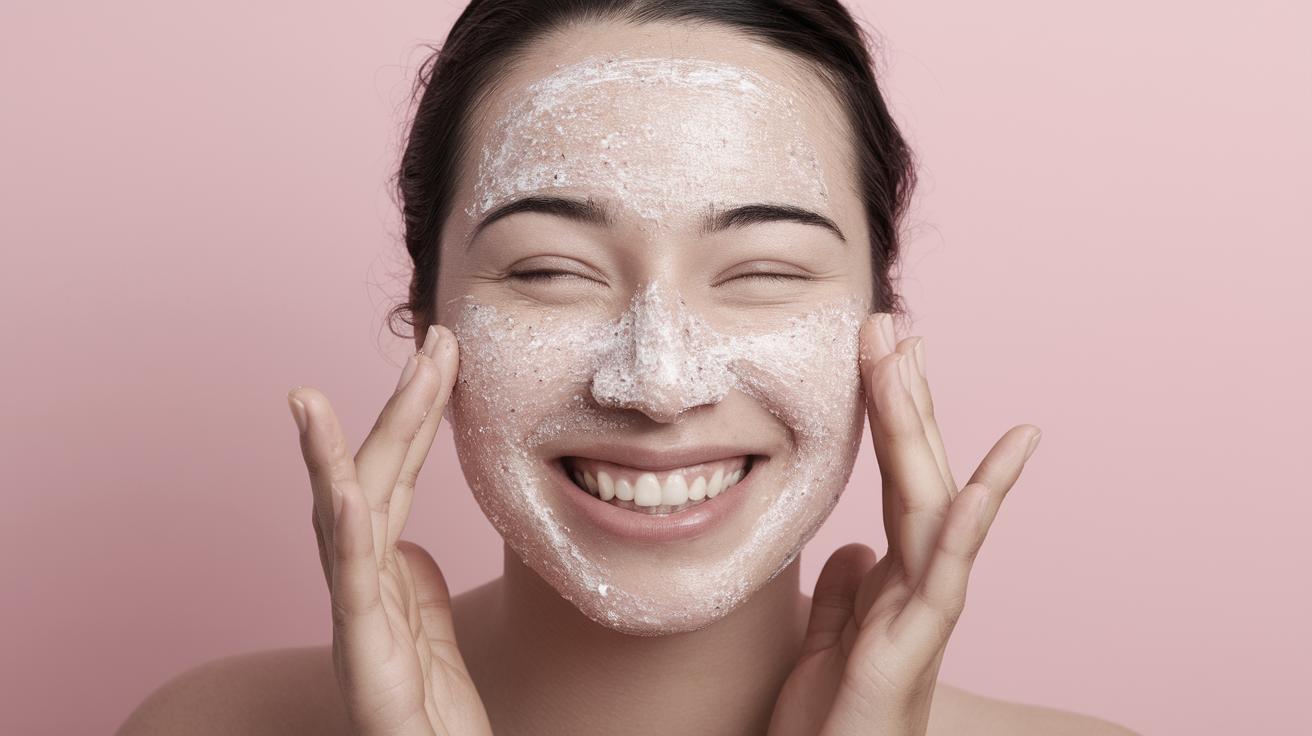
There’s been a rising skepticism about the use of physical exfoliants or scrubs. Concerns mainly focus on their potential to create micro-tears in the skin due to harsh abrasive particles. However, this doesn’t imply that all scrubs are inherently bad. The key is in the formulation and how gently the scrub is applied to the skin.
Oftentimes, finely milled particles or those derived from natural sources like jojoba beads can be gentle on the skin. The pressure and method of application also play vital roles in ensuring that the exfoliation process is effective without causing harm.
How is AHA different from BHA and which is best?
Alpha Hydroxy Acids (AHAs) and Beta Hydroxy Acids (BHAs) are prominent types of chemical exfoliants. AHAs are water-soluble and primarily derived from sugary fruits, making them effective for exfoliating the skin’s surface. They are ideal for dry or sun-damaged skin as they help retain moisture and improve skin’s texture.
On the other hand, BHAs are oil-soluble, which allows them to penetrate deeper into pores, making them suitable for oily and acne-prone skin. They help clear the clogged pores and minimize breakouts. Choosing between AHAs and BHAs should be based on your specific skin concerns and conditions.
Can you use AHA and BHA exfoliants at the same time?
AHAs and BHAs can be used together within a skincare routine, but caution is advised. They work on different levels of the skin, thus potentially addressing multiple concerns effectively. However, the combination should be approached with carefulness to avoid irritation.
A practical method is to alternate usage, such as using AHA one day and BHA on another, or applying them at different times of the day. For those with resilient skin, using a product that combines both may be beneficial when used sparingly.
What’s the strongest percentage of an AHA or BHA that you can use?
When it comes to potent concentrations, a general guideline is to use AHAs in concentrations up to 10% for home use, while BHAs are typically effective up to 2%. Higher concentrations should be considered with professional supervision.
Before integrating strong exfoliants into your routine, it is advisable to conduct a patch test to gauge any adverse reactions. Sensitive skin types might benefit from gradually building up tolerance or seeking formulations designed for gentler exfoliation.
How does your skin feel after exfoliation?
Post-exfoliation, the skin often feels smoother and revitalized, with a noticeable reduction in dullness. This refreshed texture is an indication that exfoliation has effectively removed the outer layer of dead skin cells.
However, it’s crucial to observe your skin closely. Any signs of excessive redness, tenderness, or flakiness may suggest over-exfoliation. In such cases, reducing frequency and concentrating on moisturizing and repairing the skin barrier is recommended.
How do you add a chemical exfoliant to your skincare routine?
To seamlessly integrate a chemical exfoliant into your skincare routine, begin with cleansing your face to remove impurities. Apply the exfoliant on dry skin, allowing it time to absorb before moving to subsequent steps in your skincare regimen.
It’s important to follow up with a hydrating moisturizer and sunscreen, especially since chemical exfoliants can increase sun sensitivity. Start with lower concentrations and gradually increase as your skin builds tolerance to prevent adverse reactions.
Can you use an exfoliant around your eyes?
The skin around the eyes is particularly delicate and sensitive, which is why it’s recommended to avoid using potent exfoliants in this area. Harsh formulations can easily irritate, leading to discomfort or damage.
However, products specifically designed for gentle exfoliation around the eyes exist. These should be used only if deemed necessary and always with a patch test to ensure compatibility with your skin.
Can you mix exfoliants with other powerful ingredients?
Mixing exfoliants with other active ingredients, like retinol or vitamin C, should be approached carefully. Many active ingredients can lead to irritation or reduce each other’s effectiveness when combined.
If incorporating them into the same routine, it’s wise to stagger their application, using one in the morning and another at night. This allows you to reap the benefits of each ingredient without overwhelming the skin.
Final thoughts
| Aspect | Details |
|---|---|
| Exfoliation Frequency | 2-3 times per week, depending on skin type. |
| Benefits of Exfoliation | Removes dead cells, enhances absorption of products, improves skin texture. |
| Types of Exfoliants | Physical (scrubs) and Chemical (AHAs & BHAs). |
| Combining AHAs and BHAs | Possible with caution, alternate days or different times. |
| Post-Exfoliation Care | Moisturize and use sunscreen. |