How to Cover Dark Circles
Dark circles can be a pesky concern, often making you look tired or older than you feel. They can be caused by a range of factors, including genetics, lack of sleep, or exposure to screen light. While lifestyle changes can help, knowing how to use makeup effectively can provide a quick and confidence-boosting fix. This article will guide you through a comprehensive method to cover dark circles, emphasizing the importance of skin prep, color correction, contouring, and more. Utilizing these techniques, you’ll enhance your natural beauty with a revived, bright-eyed appearance.
Prep the Skin
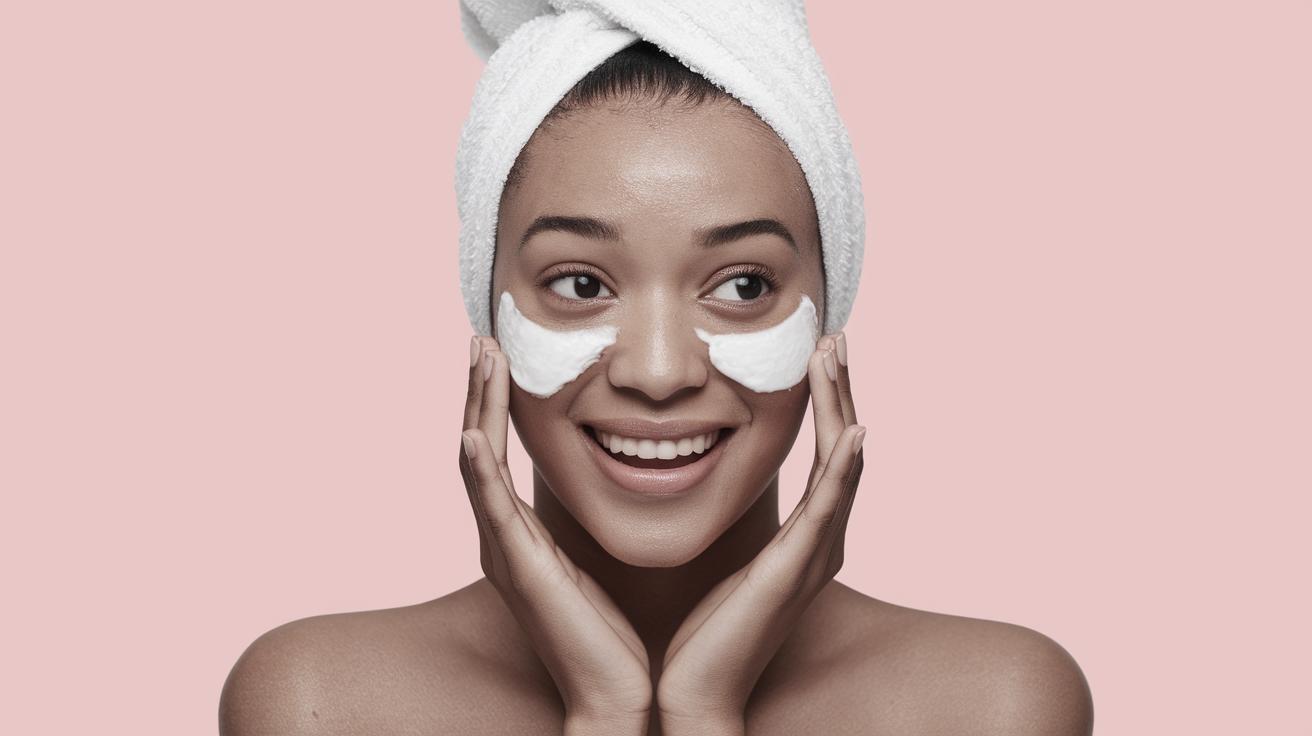
Before diving into makeup application, prepping the skin is a critical first step. Start by ensuring the under-eye area is well-hydrated. Dry skin can cause concealer to crease, highlighting rather than hiding imperfections. Use a rich, hydrating eye cream that contains ingredients like hyaluronic acid or caffeine. These components help to plump up the skin and reduce swelling, providing a smooth canvas for makeup.
After moisturizing, apply a lightweight primer specifically designed for the under-eye region. Primers help to create a barrier between the skin and makeup, preventing the product from settling into fine lines. Look for primers with light-diffusing properties to enhance brightness under the eyes. This step ensures longevity for the concealer and keeps the area looking fresh throughout the day.
Color-correct Dark Circles
Color correction is a powerful tool in the makeup artist’s toolkit, especially for under-eye circles that tend to be blue or purple. By applying a color corrector before concealer, you can neutralize these tones for a more even finish. For blue or purple undereyes, a peach or orange corrector works well, while those with red tones benefit from a green corrector.
Apply the color corrector sparingly with a small brush or fingertip, concentrating on the darkest areas. Blend the edges softly to avoid harsh lines that could show through concealer. Be cautious not to overapply, as it might result in an unnatural appearance. This step creates a balanced base, making the concealer application more effective.
Contour Under-eye Bags
To address under-eye bags, contouring can be quite effective. Use a concealer that is a shade slightly darker than your natural skin tone. Apply it directly onto the puffy area, then blend it out. This technique visually recedes the protrusion, creating the illusion of a smooth surface.
After contouring, use a lighter concealer on the areas that aren’t puffy, such as the hollow just above the cheekbone. The contrast between light and dark helps balance the area, drawing attention away from the bags. Using these two shades strategically can significantly reduce the appearance of undereye bags.
Apply a Creamy Liquid Concealer
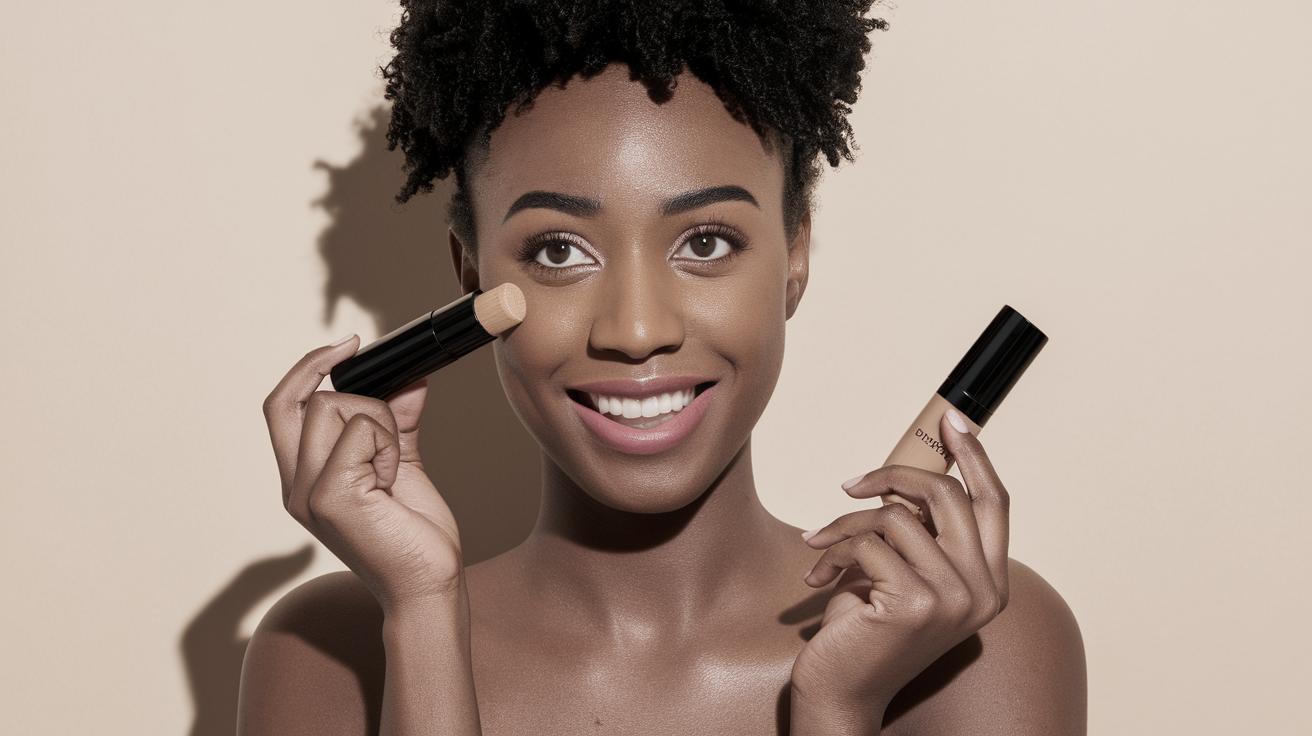
For dark circles, opting for a creamy liquid concealer ensures a natural, non-cakey finish. Choose a shade that matches your skin tone or is one shade lighter. Using a small, dense brush or your fingers, apply the concealer over the color corrector.
Start at the inner corner of the eye and work outwards, ensuring even coverage. Dab rather than swipe to maintain the coverage and keep blending to a minimum. Be sure to extend the concealer slightly past the dark circles for a seamless blend into the rest of your makeup. This method effectively brightens the under-eye area.
Powder to Set (Optional)
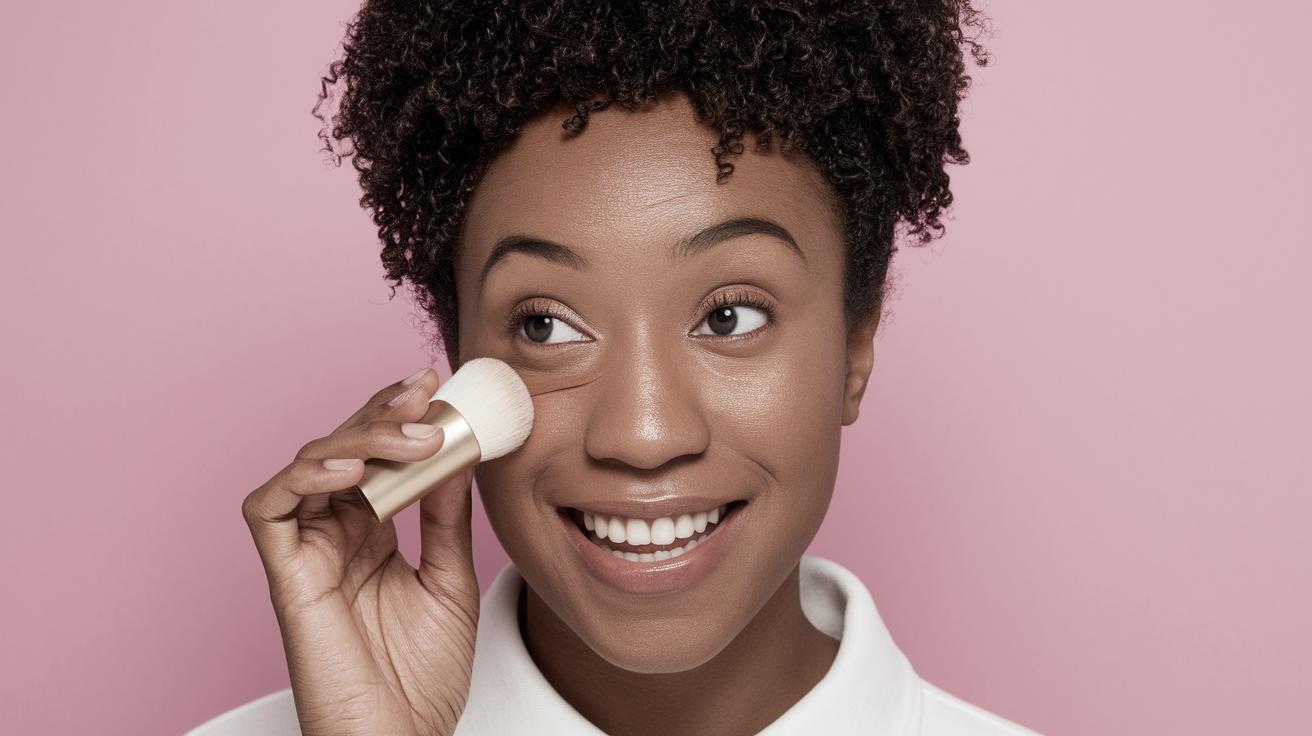
Setting your under-eye makeup with powder can be optional based on your skin type and preference. If you have oily skin or need the makeup to stay put for an extended period, a light dusting of translucent powder will help. Use a fluffy brush to apply just a small amount, focusing on minimal product to avoid a cakey appearance.
For those with dry skin, setting powder might not always be necessary, as it can accentuate fine lines. Consider using a setting spray instead, which helps maintain the fresh appearance of your makeup without the potential of an overly matte finish. Setting the makeup correctly will lock in the concealer and prolong its wear.
Frequently Asked Questions
Q: What should I do if my concealer creases?
A: Ensure the skin is well moisturized, and use less product. Consider utilizing setting sprays instead of powders for dry areas to minimize creasing.
Q: Can I use a heavier makeup product for better coverage?
A: While full coverage products may conceal more, it’s crucial to maintain a natural appearance. Layering should be done with light products to allow the skin to breathe.
Q: Are there permanent solutions to dark circles?
A: Permanent solutions can include lifestyle changes, dermatological treatments like laser therapy, or consultations with a skincare professional, which may offer more lasting solutions depending on individual needs.
Summary of Main Points
| Step | Details |
|---|---|
| Prep the Skin | Moisturize with eye cream, apply primer for smooth base. |
| Color-correct Dark Circles | Neutralize blue/purple with peach/orange corrector. |
| Contour Under-eye Bags | Use darker concealer on bags, lighter on hollows. |
| Apply a Creamy Liquid Concealer | Match skin tone, apply over corrector, blend minimally. |
| Powder to Set (Optional) | For oily skin, use translucent powder; consider setting spray for dry skin. |