Understanding the Role of Primer in Your Makeup Routine
Makeup primer often sparks curiosity among both beauty novices and enthusiasts. While many recognize it as a preparatory product, its purpose and benefits can sometimes remain unclear. This detailed exploration will cover everything you need to know about makeup primer, its difference from foundation, and factors to consider when choosing one. We will delve into beneficial ingredients, those best avoided, and provide simple application tips to maximize your makeup routine’s effectiveness. By the end, you’ll have a comprehensive understanding of how primer can enhance your beauty regimen, offering a polished and enduring finish to your look.
What Is the Difference Between Foundation and Primer?
Foundation
The foundation is a staple in most makeup kits, known for creating an even complexion by covering imperfections such as blemishes, redness, or uneven skin tone. Available in various formulations like liquid, cream, and powder, it provides different levels of coverage to suit individual preferences and skin types. The goal of foundation is to offer a smooth, unified canvas on which other makeup products can be applied, enhancing your overall appearance.
Choosing the right foundation involves considering your skin type and desired finish. Options range from matte to dewy and varying coverage levels from light to full. For those with sensitive skin, opting for hypoallergenic or non-comedogenic formulas can help prevent irritation.
Primer
Primer, on the other hand, is applied as the first step in a makeup routine to create a smooth base for foundation application. Its primary function is to fill in pores and fine lines, providing a flawless surface that helps foundation adhere evenly. This not only enhances the longevity of your makeup but also improves its overall appearance.
A good primer caters to specific skin concerns—whether it’s controlling oil, boosting hydration, or adding an illuminating glow. The right primer sets the stage for a more enduring and refined makeup look, making it a crucial step in achieving professional-level finishes at home.
What Does Foundation Primer Do?
Foundation primer acts as an intermediary between your skincare and makeup routine. It creates a barrier that prevents makeup from being absorbed by the skin, ensuring it stays in place longer. This feature is particularly beneficial during long days or events where you require lasting coverage.
In addition to prolonging your makeup’s wear time, many primers are formulated to address specific skin concerns. Some primers include mattifying properties for oily skin, while others may contain hydrating ingredients for dry skin types. The versatility of primers allows them to be tailored to meet the unique needs of diverse skin types, enhancing your existing skincare efforts.
What Type of Face Primer Should I Use?
Choosing the right face primer is crucial to maximizing its benefits. Those with oily skin might opt for a mattifying primer that controls excess shine. Meanwhile, individuals with dry skin will benefit from a hydrating formula that nourishes and plumps the skin, lending a dewy, healthy glow to your makeup look.
If you’re dealing with combination skin, look for a primer that balances hydration and oil control, ensuring a seamless application and finish. For those with specific concerns like redness or dullness, color-correcting primers can address these issues by neutralizing undertones and brightening the complexion. The goal is to choose a primer that complements and enhances the foundation’s effectiveness, tailored to your unique needs.
What Should I Look For in a Foundation Primer?
Jojoba Oil
Jojoba oil is a prized ingredient in many primers for its ability to mimic the skin’s natural oils. It provides a subtle layer of moisture without clogging pores, making it suitable for both oily and dry skin types. This oil helps improve the skin’s elasticity and enhances the primer’s ability to create a smooth, even base.
Besides its moisturizing benefits, jojoba oil has anti-inflammatory properties that can soothe irritated skin, making it a valuable inclusion for those with sensitive or acne-prone skin. Its addition to primers ensures a gentle yet effective preparation for your foundation application.
Adaptogenic Herbs
Primers infused with adaptogenic herbs provide a unique advantage by helping your skin adapt to environmental stressors. These herbs, such as ginseng and ashwagandha, are known for their restorative properties, improving the skin’s resilience and overall health.
Adaptogenic primers promote a balanced complexion, addressing issues like redness and promoting an even skin tone. By integrating these herbs into your makeup routine, you’re actually enhancing the skin’s ability to respond to and recover from daily stresses, all while setting the perfect stage for your makeup application.
Rosehip Oil
Renowned for its rejuvenating properties, rosehip oil is an excellent addition to primers geared toward aging or damaged skin. It is rich in essential fatty acids and antioxidants, providing deep nourishment while helping to repair and revitalize the skin.
Using a primer with rosehip oil can improve skin texture, reduce fine lines, and promote a radiant complexion. This ingredient’s ability to support and enhance skin renewal processes makes it invaluable for those seeking to maintain a fresh, youthful appearance.
Buriti Oil
Buriti oil is a nutrient-dense oil rich in vitamins A and E, known for revitalizing and hydrating the skin. Its antioxidant properties protect against free radicals, ensuring your skin stays healthy and vibrant.
Primers containing buriti oil can offer a luminous, glowing effect that enhances the vitality of your makeup. This is particularly beneficial for dull or tired skin, providing an immediate boost to achieve a lively, fresh-faced look.
Ingredients To Avoid in Foundation Primer
Alcohol
While alcohol may be present in some cosmetics for its quick-drying properties, it can be particularly harsh on the skin, causing dryness and irritation. Prolonged use of primers with high alcohol content may lead to a compromised skin barrier.
Always check the ingredient list and opt for alcohol-free primers if your skin is sensitive or prone to dryness. Ensuring that your primer is gentle on your skin helps maintain its integrity and prevent adverse reactions.
Silicone
Silicone is often used in primers for its ability to create a smooth surface. However, it can clog pores and lead to breakouts, especially for those with acne-prone skin. Long-term use of silicone-based primers can prevent the skin from breathing, causing underlying skin conditions to worsen.
If you’re concerned about pore congestion or sensitivity, seek out non-comedogenic formulations that utilize alternative smoothing agents. Natural alternatives can offer a similar smoothing effect without the risk of skin irritation.
Lanolin
Lanolin, a derivative of sheep’s wool, is sometimes found in primers for its moisturizing properties. However, it can trigger allergic reactions for those with wool sensitivities, and its occlusive nature might contribute to blocked pores.
Choosing primers that use alternative moisturizers like plant-derived oils can mitigate the risk of irritation while still providing a hydrating benefit, suitable for all skin types without compromising comfort or safety.
Stearic Acid
Stearic acid is a fatty acid used to thicken and stabilize cosmetic products, but it may exacerbate oiliness and acne in susceptible skin types. Its comedogenic nature makes it unsuitable for acne-prone or oily skin, as it can contribute to pore congestion.
For a clearer complexion, avoid primers with high concentrations of stearic acid and opt for formulations designed with lightweight, non-comedogenic ingredients to ensure skin health.
Nanoparticles
Nanoparticles are sometimes included for their unique ability to improve product texture and performance. However, concerns about their potential to penetrate the skin barrier and cause systemic effects make them a controversial ingredient in cosmetics.
Consumers are advised to be cautious of primers with nanoparticles, especially if you have sensitive skin or are concerned about long-term exposure to synthetic particles. Look for products marketed as “nanoparticle-free” to minimize any potential risks.
Synthetic Fragrance
While fragrance can enhance a product’s appeal, synthetic fragrances are notorious for causing allergic reactions and irritation, particularly for those with sensitive skin or fragrance allergies.
Opting for fragrance-free or naturally fragranced primers helps avoid unnecessary irritation, allowing you to focus on the primer’s performance without risking adverse skin reactions.
How Do I Apply Foundation Primer?
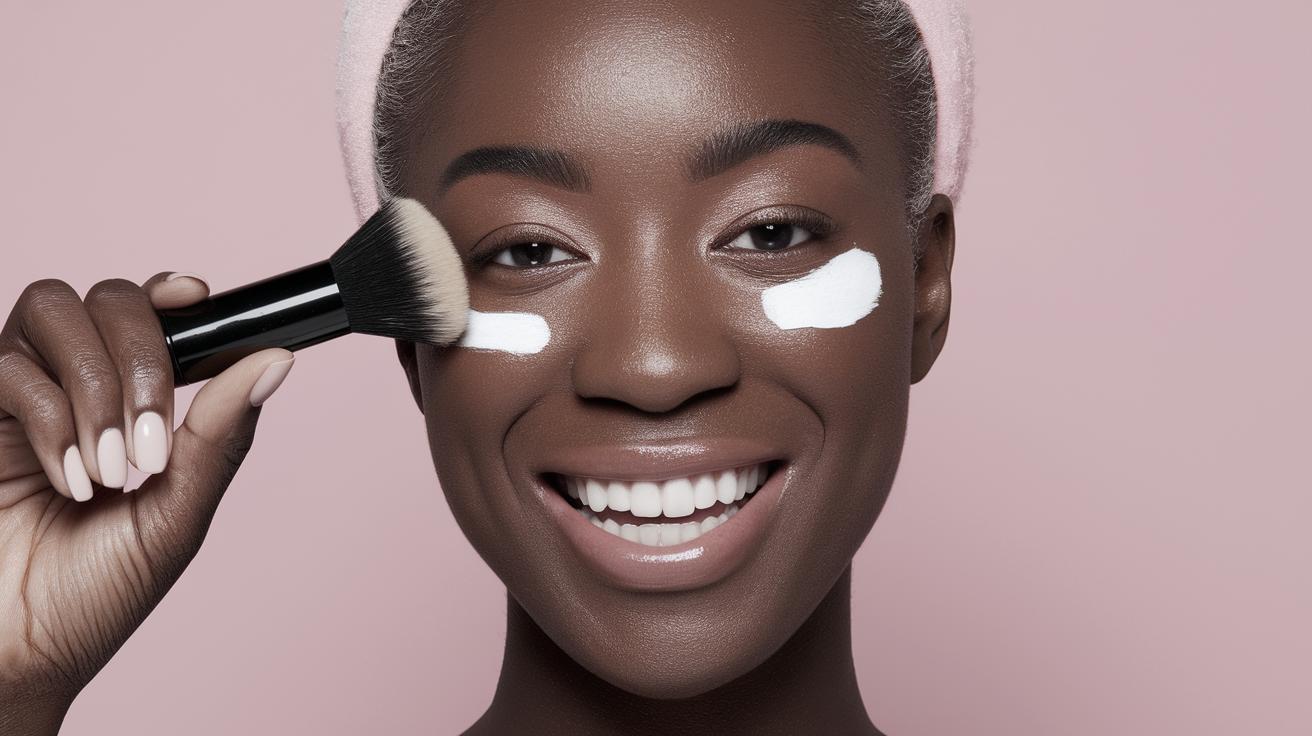
Applying foundation primer is an essential step for achieving a smooth base. Begin by cleansing and moisturizing your face to create a clean surface. Dispense a pea-sized amount of primer onto your fingertips, and gently spread it across your face, focusing on areas with larger pores or fine lines.
Allow the primer to set for a couple of minutes before applying foundation. This ensures the primer has time to fill in imperfections, providing an even base for your makeup application. Whether using fingers or a brush, the goal is to apply the primer evenly, ensuring maximized benefits and longevity.
How Can I Avoid Common Foundation Primer Mistakes?
Let Your Primer Dry Fully
One of the most common mistakes is applying foundation immediately after primer, not allowing it to dry. This can lead to uneven application and the product slipping throughout the day. Patience is key. Give your primer a few minutes to set and dry properly, ensuring that your makeup applies smoothly and stays put longer.
This simple step, often skipped during rushed mornings, enhances your makeup’s efficacy, maintaining the intended look throughout the day without need for frequent touch-ups.
Think of Your Skin Type
Choosing a primer without considering your skin type can undermine your makeup routine. Different primers serve different purposes; some are designed to control oil, while others hydrate or illuminate. Understanding your skin’s needs allows you to select a primer that addresses those specific requirements.
A mismatch between your primer and skin type can lead to increased oiliness or dryness, affecting the foundation’s finish. Tailor your product choices to ensure optimal results.
Make Sure It Fits With Your Foundation Formula
A mismatch between your primer and foundation formulations can lead to compatibility issues, affecting application and wear time. For example, water-based primers work best with water-based foundations, while silicone-based primers pair better with similar textures.
Pay attention to your product labels and ensure consistency in the base ingredients for a seamless finish. This decreases the likelihood of pilling or separation, two issues often caused by incompatible formulas.
Don’t Apply Too Many Primers
Layering multiple primers might seem like a fail-safe method to tackle various skin concerns, but it can lead to product buildup and interfere with the foundation’s adherence. Less is more; use one primer that best suits your primary skin need.
Overapplication of products can weigh down your skin and diminish its natural look and feel. Keep your routine streamlined to maintain a fresh, breathable layer between your skin and makeup.
Summary of Main Points
| Aspect | Key Points |
|---|---|
| Difference Between Foundation and Primer | Foundation provides coverage for an even skin tone, while primer prepares the skin by smoothing imperfections and setting a base for foundation application. |
| Function of Foundation Primer | Primers enhance the adherence and longevity of makeup while addressing specific skin concerns. |
| Choosing a Face Primer | Consider your skin type and goals to select a primer that addresses oily, dry, or combination skin needs. |
| Beneficial Ingredients | Look for jojoba oil, adaptogenic herbs, rosehip oil, and buriti oil, which help nourish, protect, and smooth the skin. |
| Ingredients to Avoid | Avoid alcohol, silicone, lanolin, stearic acid, nanoparticles, and synthetic fragrance to prevent irritation and adverse reactions. |
| Application Tips | Use a small amount, let it dry properly, and ensure compatibility with your foundation for the best results. |
| Avoid Common Mistakes | Let the primer dry fully, match with skin type and foundation, and limit primer layers to maintain a natural look. |
This blog post, neatly organized with comprehensive subheadings and paragraphs, serves as a detailed guide for understanding and integrating makeup primer into your beauty routine, ensuring you achieve a flawless complexion with each application.